
Textile Industry Transformation with SAP
The textile industry has always been one of the most dynamic sectors of the global economy, serving as the foundation for fashion, apparel, home furnishings, and countless industrial applications. However, it is also one of the most complex industries to manage. Rapidly shifting consumer preferences, volatile raw material prices, globalized supply chains, sustainability pressures, and intense competition require textile enterprises to be agile, innovative, and resilient. Traditional business models, once dependent on manual forecasting, fragmented systems, and labor-intensive processes, can no longer keep pace with the demands of modern markets. To thrive in this environment, textile companies must embrace digital transformation, integrating every aspect of their operations into an intelligent, connected ecosystem.
SAP provides the platform that enables this transformation. With SAP S/4HANA and its suite of industry-specific solutions, textile enterprises can streamline operations, enhance visibility, respond to market changes in real time, and create sustainable growth. From fiber to finished fabric, and from design to distribution, SAP empowers organizations to simplify complexity, improve efficiency, and deliver innovation across the value chain.
Challenges in the Textile Industry
The textile sector faces challenges that are as diverse as its applications. Raw material costs, whether for cotton, polyester, or specialty fibers, fluctuate constantly, impacting margins and planning cycles. Supply chains span multiple geographies, involving raw material suppliers, dyeing and finishing units, apparel manufacturers, and global distributors. Demand is highly seasonal and increasingly driven by fast fashion, where products must reach the market quickly or risk losing relevance. At the same time, regulators and consumers are demanding sustainability, ethical sourcing, and transparency regarding labor practices.
Managing this complexity with legacy systems often results in inefficiency, delays, and wasted resources. Without digital integration, businesses struggle to forecast demand accurately, maintain quality consistency, or ensure compliance across international markets. The need for real-time visibility and agility is greater than ever.
SAP S/4HANA: The Digital Core of Textiles
SAP S/4HANA provides the digital backbone that textile companies require to transform their operations. By integrating core business processes such as procurement, production, inventory, sales, and finance into a unified system, it eliminates silos and provides a single source of truth. Its in-memory architecture ensures that even the most complex calculations—such as margin analysis, production cost comparisons, or demand forecasts—can be performed instantly.
For textile manufacturers, SAP S/4HANA supports recipe and formula management, batch production processes, and quality controls that are essential for dyeing, printing, and finishing operations. Production planning and scheduling are optimized, allowing enterprises to balance machine utilization with delivery deadlines. With embedded analytics, decision-makers gain real-time insights into production efficiency, costs, and performance metrics, enabling them to act quickly and confidently.
Supply Chain Integration and Transparency
Supply chain complexity is a defining feature of the textile industry, and SAP solutions are designed to simplify it. SAP Integrated Business Planning (IBP) enables demand-driven planning, helping companies align production with market requirements and reduce excess inventory. With real-time data integration, organizations can monitor supplier performance, manage material availability, and adjust sourcing strategies dynamically.
In logistics, SAP provides visibility across shipments, warehouses, and distribution networks. Enterprises can track raw materials from source to factory, monitor in-transit goods, and ensure timely deliveries to retailers and customers. This level of transparency not only improves efficiency but also strengthens trust with partners and customers who demand traceability.
Enhancing Customer Experience in Fashion and Retail
The textile industry does not end with manufacturing; it extends deep into the fashion and retail segments. Here, customer experience plays a critical role. Consumers expect personalized interactions, rapid fulfillment, and seamless omnichannel experiences. SAP Customer Experience solutions empower textile and fashion retailers to meet these expectations by integrating customer data, sales channels, and inventory management.
With SAP Commerce Cloud, textile retailers can provide personalized recommendations, dynamic pricing, and flexible promotions. Customers can browse collections online, customize products, and receive real-time updates on order status. Integration with backend operations ensures that availability, delivery timelines, and returns are managed seamlessly. By uniting manufacturing and retail through SAP, textile enterprises can deliver a consistent and engaging customer journey.
Sustainability and Compliance
Sustainability has become a central issue for the textile industry, which faces growing scrutiny for its environmental and social impact. From water-intensive cotton farming to chemical-intensive dyeing processes and concerns over labor practices, the industry is under pressure to adopt responsible practices.
SAP solutions enable enterprises to monitor and report on sustainability metrics, including energy usage, water consumption, carbon emissions, and waste reduction. By embedding sustainability into core operations, textile companies can adopt circular business models, recycle waste materials, and improve resource efficiency. Compliance features in SAP help organizations adhere to international labor and environmental regulations, reducing risk and building credibility with consumers and regulators alike.
Leveraging AI, Automation, and Analytics
Artificial intelligence and automation are powerful enablers of transformation in textiles. AI-driven forecasting models predict demand trends, helping businesses adapt production schedules and reduce overstock. Intelligent automation streamlines repetitive processes such as order management, invoice reconciliation, and shipment scheduling.
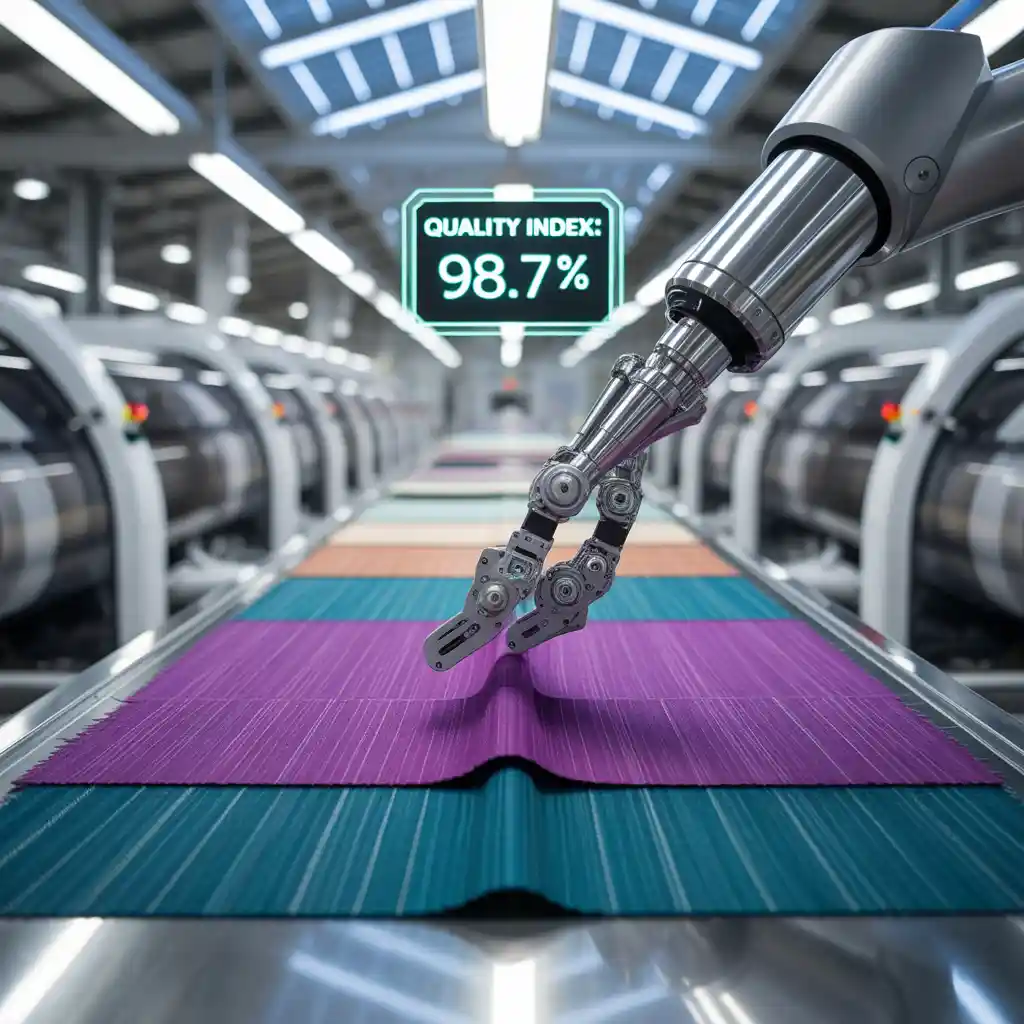
SAP Analytics Cloud empowers executives with advanced dashboards and predictive analytics, enabling them to monitor sales performance, track global trends, and identify emerging opportunities. In manufacturing, AI enhances quality control by identifying defects in fabrics early in the process, ensuring higher product consistency and reduced waste.
From Innovation to Growth
Innovation is at the heart of the textile industry, driving everything from new fabric technologies to sustainable dyeing methods. SAP supports this innovation through integrated product lifecycle management. Enterprises can manage design data, collaborate across teams, and accelerate time-to-market for new collections. With SAP’s digital twin capabilities, organizations can simulate product performance and optimize processes before production begins, saving time and resources.
Hanvix: Enabling Transformation in Textiles
At Hanvix, we understand that the textile industry requires more than generic solutions—it requires expertise tailored to the unique demands of fibers, fabrics, fashion, and global supply chains. With our deep knowledge of SAP solutions, we help textile enterprises integrate their operations, improve transparency, and create competitive advantage.
We partner with organizations to design roadmaps that align SAP capabilities with business goals. Whether the objective is reducing costs, improving customer engagement, ensuring sustainability, or driving innovation, Hanvix delivers solutions that create measurable business impact. Our approach is not limited to implementation; we focus on long-term transformation, ensuring that enterprises are future-ready in a rapidly evolving industry.
Conclusion
The textile industry is at a crossroads where tradition meets transformation. To remain competitive in a market defined by fast-changing consumer preferences, global supply chain complexities, and sustainability imperatives, textile companies must embrace digital transformation. SAP provides the tools and intelligence to navigate this complexity, offering integration, visibility, and innovation across the value chain.
By leveraging SAP solutions, textile enterprises can reimagine how they design, manufacture, and deliver products, while ensuring transparency, sustainability, and customer satisfaction. With Hanvix as a trusted partner, the journey from fiber to fashion becomes not only efficient and profitable but also future-ready.